4 Spaces Available
Click for detail

Baum consistently maintains the highest quality brokerage service model in the industry, using state-of-the-art technology and data to provide site selection services to prestigious national, regional and local tenants, as well as property evaluation for top landlords and asset managers.





Baum is widely regarded as the premier retail brokerage firm in Chicagoland, providing investment sales, leasing and exclusive tenant representation. Additionally, Baum’s unique National Real Estate Solutions division delivers high quality real estate services to corporate retailers and national franchisors that need efficient solutions to scale their national retail real estate strategies.
Baum is committed to understanding each client’s specific needs at each stage of their business cycle. We ensure that the best possible real estate decisions are made in each transaction we’re involved in. Because we work as a team on every transaction, we can employ deep market knowledge & expertise to customize our response to your project goals, and we focus on maximizing your profitability.

Baum takes an aggressive, proactive and technologically advanced approach to marketing properties and securing the right, credit worthy tenant. We use proven methods and deep market knowledge to procure an ideal tenant-mix.
Leasing OpportunitiesBaum offers disposition and acquisition services for third-party property owners and investors. We help our clients execute sale transactions for all property types, including retail, office, mixed-use and land.
Investment Sale PropertiesBaum is synonymous with tenant representation in Chicago. Our brokers represent local, regional and national brands on an exclusive basis. We combine market knowledge, insight and hustle (ART) with the latest technology and information sources (SCIENCE). This equal reliance on both ART and SCIENCE sets us apart from other firms. Our brokers are dedicated to the long-term success of their clients. We work shoulder-to-shoulder with our clients’ in-house teams to ensure that the ideal location is found in the shortest possible timeframe under the most favorable terms and conditions.

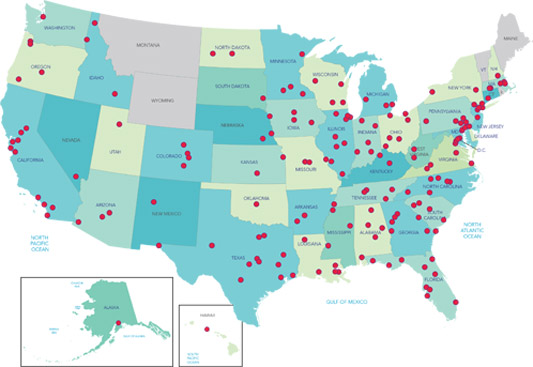
Baum helps national retailers and franchisors expand their national footprint without the intensive capital required to build an internal real-estate team. We have developed an intricate system that drives the success of our national accounts.

Knowing what you know now, you’d do things a bit differently. That’s exactly what we’ve done.
Our heavy use of verified and vetted technology provides consistent access to the most valuable asset a property manager can offer you – information.
With more information, you can maximize tenant retention, and minimize operational risk & expense.